The Peterbilt 579 is the most common truck in the used Class 8 market, which is both its main advantage and the reason buyers need to be specific. Engine choice matters more than model year: the PACCAR MX-13 and the Cummins X15 age differently and have different failure patterns. The issues that decide whether a 579 is a good buy tend to appear between 300,000 and 500,000 miles, and most of them are visible on a proper inspection.
This guide covers what changes between generations, how to think about the two engine options, what actually breaks and when, and the specific things to check before you commit.
Why is the 579 everywhere?
Peterbilt introduced the 579 in 2012 as its aerodynamic on-highway flagship, and large fleets adopted it heavily. Large fleet adoption is what creates a deep used market a few years later, on a predictable trade cycle.
For a buyer that means three things: supply is good, comparables are easy to find, and parts and service coverage are broad. It also means you are competing with a lot of other buyers for the clean ones.
What changed between generations?
| Period | What to know |
|---|---|
| 2012 to 2017 | Original generation. Early builds of any platform carry more first-run issues. EPA 2010 and EPA 2013 emissions calibrations. |
| 2018 to 2021 | Mid-life updates including the UltraLoft integrated sleeper. EPA 2017 calibration on most units. This is the sweet spot for a lot of used buyers on price against condition. |
| 2021 onward | Next-generation 579 with substantially revised aerodynamics, interior, and electrical architecture. Some 2021 to 2022 builds were produced under pandemic-era supply constraints, and operators have reported more variability in those years. |
A note on that last point: reports of build variability in 2021 to 2022 units are anecdotal and come from operator forums rather than published data. Treat it as a reason to inspect carefully, not as a rule.
MX-13 or X15?
This is the decision that matters most, and there is no universally right answer.
| PACCAR MX-13 | Cummins X15 | |
|---|---|---|
| Displacement | 12.9 L | 14.9 L |
| Typical ratings in used 579s | roughly 400 to 510 hp | roughly 400 to 565 hp |
| Weight | Lighter | Heavier |
| Fuel economy reputation | Generally favorable | Comparable, spec dependent |
| Service network | PACCAR dealer network | Very broad, independent shops included |
| Commonly reported weak points | EGR cooler leaks, DPF regeneration frequency, sensitivity to oil quality | Aftertreatment and DEF system issues |
| Resale preference | Regional | Generally broader buyer pool |
The practical difference for a used buyer is service access. The X15 can be worked on almost anywhere. The MX-13 leans more on the PACCAR network. If you run remote lanes or you have an independent shop you trust, that is a real consideration.
Powertrain preference is also genuinely regional. In some markets an X15 truck sells faster and holds value better. Ask what moves in your area before you decide the engine does not matter.
What breaks, and when?
These are the items that come up consistently on used 579s. Mileage ranges are typical, not guaranteed.
EGR cooler leaks, roughly 300,000 to 400,000 miles. Symptoms are coolant loss, white exhaust smoke, and overheating. Reported more often on the MX-13 than the X15. Repair is a meaningful expense and is the single most common surprise on a used 579.
Turbocharger wear, roughly 400,000 to 500,000 miles. Power loss, black smoke, oil consumption. Catching it early matters, because a failed turbo can take other things with it.
DEF and SCR system faults. Doser, quality sensor, and pump issues are common across the platform and across brands. Aftertreatment condition is the most underpriced variable on any used truck.
Electrical faults. Sensor and module communication issues, sometimes presenting as several implausible warnings at once (low oil pressure, low coolant, low fuel rail pressure) when the underlying problem is communication rather than the systems being reported. Worth diagnosing properly rather than replacing parts.
DPF service intervals. Cleaning is typically needed somewhere in the 150,000 to 200,000 mile range depending on duty cycle. Ask when it was last done.
What to check before you buy
- Pull the ECM report. Engine hours, idle percentage, fault history, and any derate events. Idle-heavy trucks have more wear than the odometer suggests.
- Check the engine model year against the truck model year. They are not always the same, and for California work the engine year is what counts.
- Verify aftertreatment history. Last DPF cleaning, any DEF system repairs, any SCR faults. Get it in writing.
- Look for EGR cooler symptoms specifically. Coolant level, coolant loss history, any overheating events in the fault log.
- Inspect the frame and wiring, not just the paint. A truck from a dry state and a truck from the salt belt age very differently. See our guide to Dry State Iron.
- Check recall completion. PACCAR has issued recalls affecting 579s, including a 2023 campaign covering certain 2021 to 2023 units with MX-13 engines and 160-amp alternators where a frame fastener could chafe the alternator cable. Run the VIN through NHTSA and confirm remedies were performed.
- Confirm the transmission type and service history. Automated transmissions generally need attention on shorter intervals than an Eaton Fuller manual.
- Get a third-party inspection. Not the seller’s. Someone with no stake in whether you buy.
Is a used Peterbilt 579 a good buy in 2026?
For most on-highway applications, yes, with conditions. The platform is proven, the parts and service coverage is broad, and the used supply is deep enough that you do not have to settle for a bad one.
The market context helps too. New Class 8 sleepers are past $170,000 and remaining 2026 build capacity is spoken for, which pushes buyers toward used. A well-documented 579 with known aftertreatment history is a straightforward decision at current pricing.
The version to walk away from is the one with no records, no ECM pull, and an owner who will not let you inspect it.
Frequently asked questions
Is the Peterbilt 579 a good truck? It is one of the most widely used on-highway Class 8 trucks in North America, with deep used supply and broad parts and service coverage. Condition, engine choice, and maintenance history matter more than the model itself.
What engine comes in a Peterbilt 579? Most used 579s have either a PACCAR MX-13 (12.9 L) or a Cummins X15 (14.9 L). The MX-11 also appears in some configurations.
What are the most common Peterbilt 579 problems? The most frequently reported are EGR cooler leaks around 300,000 to 400,000 miles, turbocharger wear around 400,000 to 500,000 miles, DEF and SCR system faults, and electrical or sensor communication issues.
How many miles will a Peterbilt 579 last? Well-maintained Class 8 trucks routinely run past 1,000,000 miles. The relevant question for a used buyer is not total life but which major service events have already been paid for and which are still ahead.
Is the PACCAR MX-13 or the Cummins X15 better in a used 579? Neither is universally better. The X15 has broader independent service availability and a wider resale buyer pool. The MX-13 is lighter and well regarded on fuel economy. Service access in your operating area is usually the deciding factor.
Current Peterbilt 579 inventory at Charter

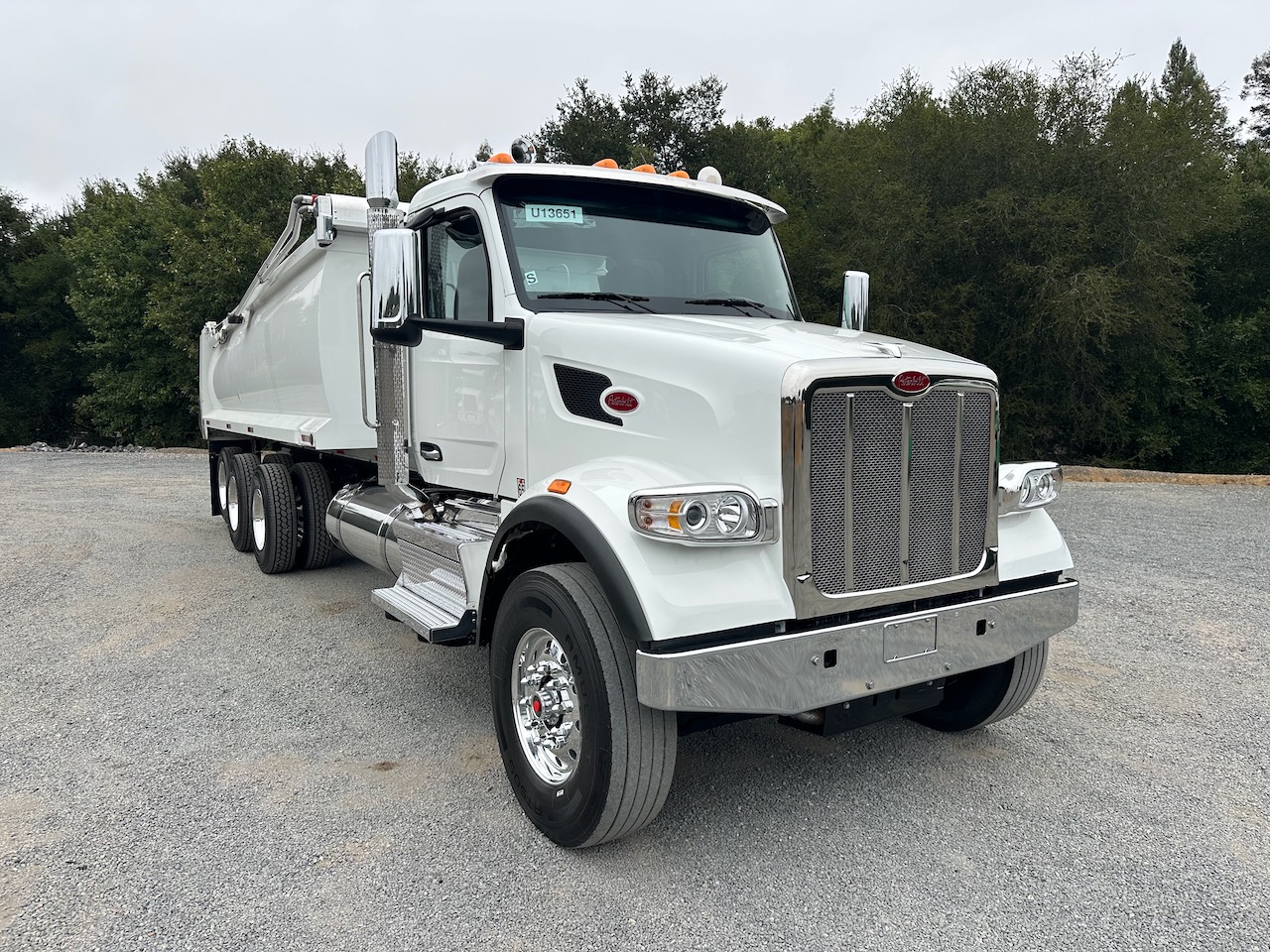
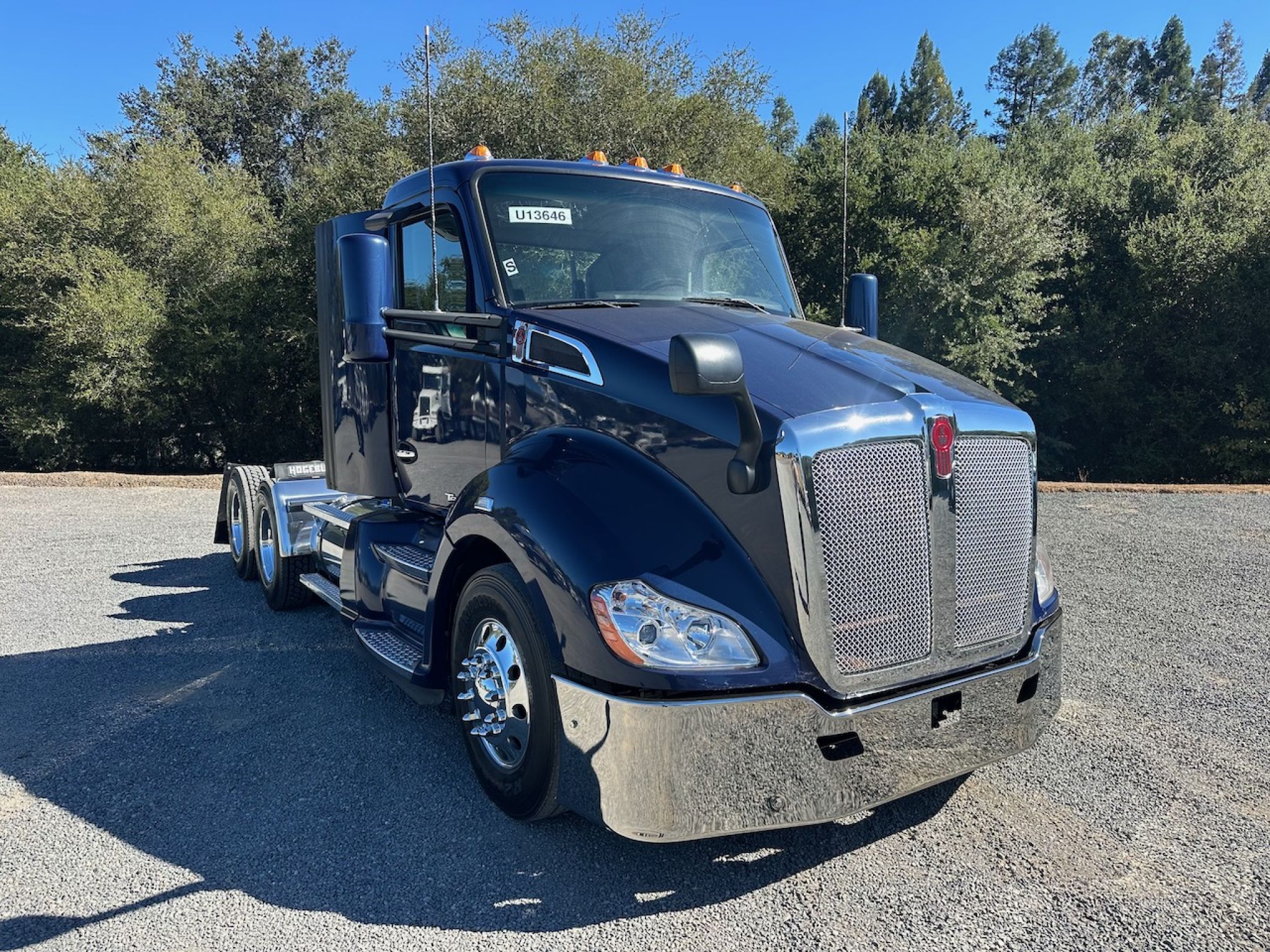
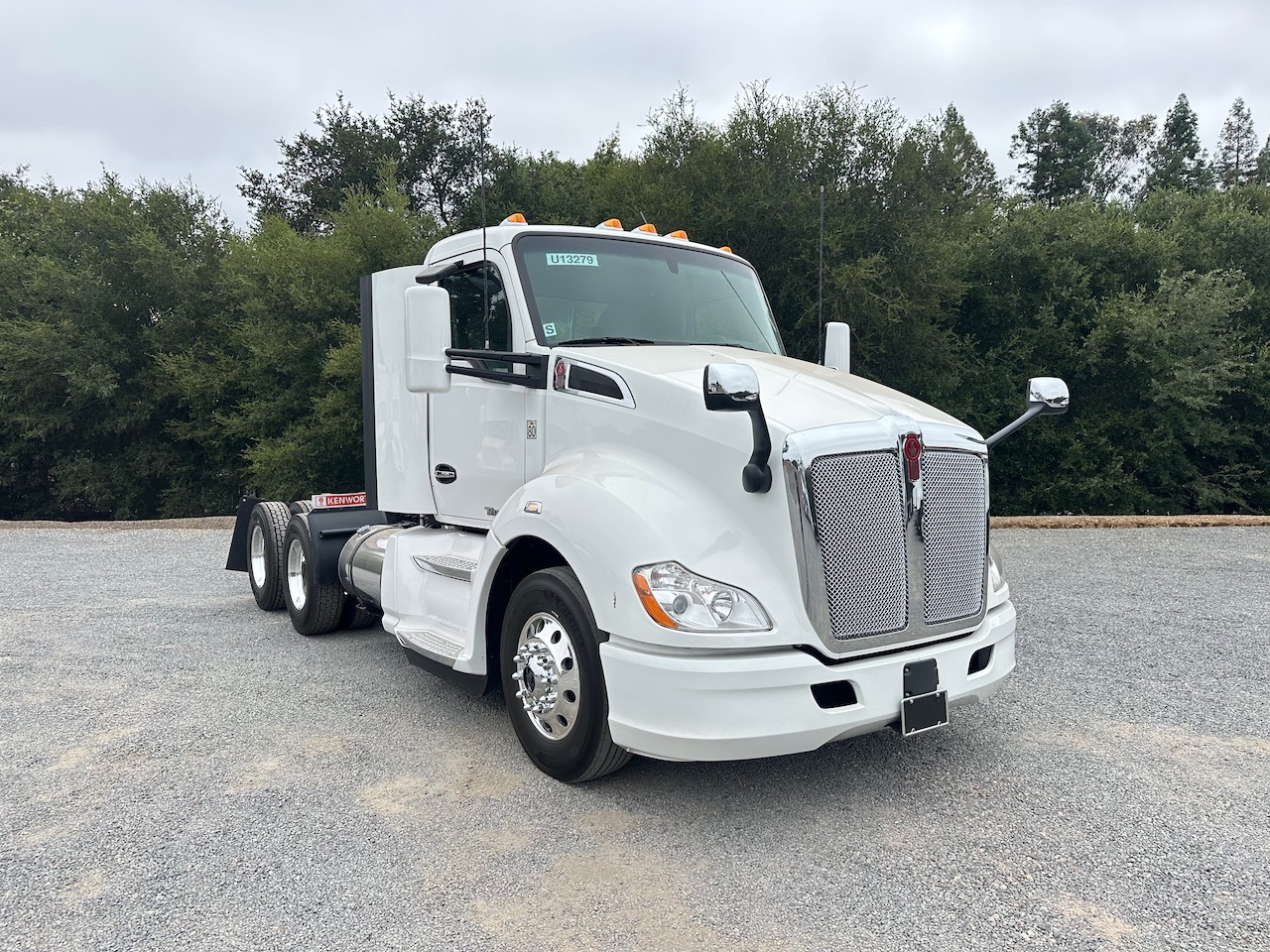
Every Charter 579 comes with a third-party inspection report you can read before you buy. See all inventory or call 707-669-6202.

Copyright 2025 Charter Trucks. All Rights Reserved.