Generations, and why they matter
| Generation | Years | What changed |
|---|---|---|
| First | 2007 to 2011 | Original Cascadia. EPA 2007 and EPA 2010 calibrations. Now old enough that engine model year is a compliance question in California. |
| Cascadia Evolution | 2012 to 2016 | Aerodynamic and fuel economy revisions. Detroit DT12 automated manual introduced. Detroit Connect telematics added 2013. Fuel system revisions in 2014. |
| New Cascadia | 2017 to 2024 | Substantial redesign: new interior, revised airflow, updated safety systems and electrical architecture. This is a genuinely different truck from what came before it. |
| Fifth generation | 2025 onward | Further aerodynamic refinement and the DD15 Gen 5 engine. |
The practical dividing line for a used buyer is 2017. A 2016 and a 2018 Cascadia are more different from each other than the two-year gap suggests. If you are cross-shopping, do not treat them as the same truck at different mileages.
One quirk worth knowing: the EPA calibration generation stamped on the engine does not always match the truck’s model year. A 2019 truck may carry a GHG17 engine. Read the engine label, not the title.
DD13 or DD15?
| Detroit DD13 | Detroit DD15 | |
|---|---|---|
| Displacement | 12.8 L | 14.8 L |
| Weight | Lighter | Heavier |
| Best suited to | Regional, lighter loads, weight-sensitive work | Long haul, heavy loads, grades |
| Used buyer pool | Narrower | Broader |
| Resale | Softer | Stronger |
The DD15 is the default for on-highway work and it is what most used Cascadias have. The DD13 makes sense if you are weight-sensitive or running lighter regional freight, and it usually costs less to buy. The DD16 exists for heavy haul and is rare in the used on-highway market.
Transmission: most late-model Cascadias have the Detroit DT12 automated manual. It is generally well regarded. It is also software-dependent, and units sometimes need updates. Ask whether the truck is current on software, which is a question most buyers never think to ask and most sellers cannot answer.
What breaks
DPF regeneration failures. The single most common Cascadia complaint. Clogging when regen cycles do not complete, triggering warning lights and derate. Duty cycle is the driver. A city or stop-and-go truck is more exposed than a highway truck at the same mileage.
DEF quality sensor failures. Frequent, relatively inexpensive individually, and a recurring nuisance.
EGR cooler failures. Show up on higher-mileage units. Coolant loss and overheating are the symptoms. This is a substantial repair.
Cooling system. Coolant leaks and overheating. The DD13 and DD15 are generally durable engines, but cooling failures damage them quickly. Any history of running hot is worth taking seriously. Temperature climbing above normal under load is the warning.
Turbocharger wear. Black smoke, power loss, whistling. Typically at higher mileage.
Electrical and starting issues. Reported recurrently on models from the late 2000s through the 2010s. The newer electrical architecture from 2017 forward is different, though complexity brings its own faults.
What to check before you buy
- Identify the generation and the engine EPA calibration. Read the engine label. Do not infer either from the model year.
- Pull the ECM report. Hours, idle percentage, fault history, derate events, and any overheat events.
- Ask specifically about overheating history. Cooling failures on these engines escalate fast, and a truck that has been run hot is a different asset than one that has not.
- Verify DPF service history and duty cycle. A highway truck and a city truck at 400,000 miles have very different aftertreatment wear.
- Check EGR cooler condition on higher-mileage units. Coolant loss, staining, overheat history.
- Ask about DT12 software currency.
- Check engine model year against California requirements if the truck will run CA lanes. Vehicles above 26,000 pounds GVWR need 2010 or newer engines.
- Inspect the frame and wiring for corrosion. Cascadias are heavily represented in salt belt fleets, so origin matters more here than on some platforms. See our frame rust guide.
- Get a third-party inspection.
The honest tradeoff
What you get: the broadest service network in North America, parts available almost anywhere, deep used supply so you can be selective, and the lowest total cost of ownership in most fleet applications.
What you give up: some resale strength relative to the T680 and 579, which tend to draw stronger owner-operator demand and higher marks for cab comfort. That gap is real but it is smaller than brand loyalists suggest, and it is usually already reflected in the purchase price.
If you are buying to run the truck for its remaining useful life, the Cascadia’s ubiquity works entirely in your favor. If you are buying to run it three years and flip it, price the resale difference in up front.
Frequently asked questions
Is the Freightliner Cascadia a good used truck? It is the highest-volume Class 8 nameplate in North America, with the broadest parts and service coverage and the deepest used supply. It generally offers low total cost of ownership, with somewhat softer resale than the Kenworth T680 or Peterbilt 579.
What is the difference between the Cascadia and the New Cascadia? Freightliner substantially redesigned the truck for 2017, changing the interior, aerodynamics, safety systems, and electrical architecture. A 2016 and a 2018 Cascadia are meaningfully different trucks, not just different model years.
What are the most common Freightliner Cascadia problems? The most frequently reported are DPF regeneration failures, DEF quality sensor faults, EGR cooler failures on higher-mileage units, cooling system leaks and overheating, turbocharger wear, and electrical or starting issues on older models.
Is the DD13 or DD15 better? The DD15 suits long haul, heavy loads, and grades, and has the broader resale market. The DD13 is lighter and cheaper, and suits regional or weight-sensitive work. Match the engine to the duty cycle rather than defaulting to the larger one.
How many miles is too many on a Cascadia? There is no fixed cutoff. Well-maintained Class 8 trucks routinely exceed 1,000,000 miles. Which major service events have been completed matters more than the odometer.
Current Freightliner Cascadia inventory at Charter

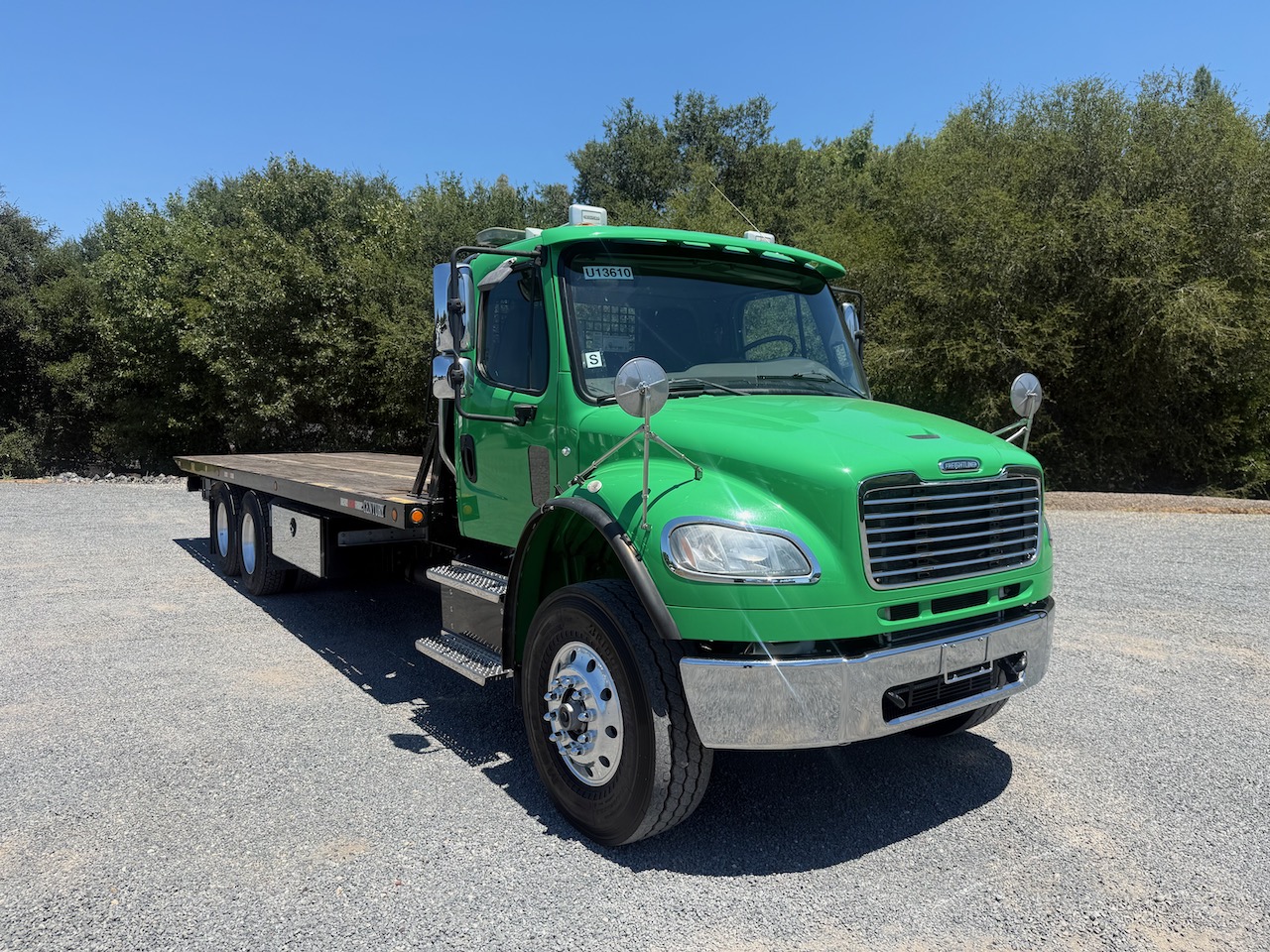
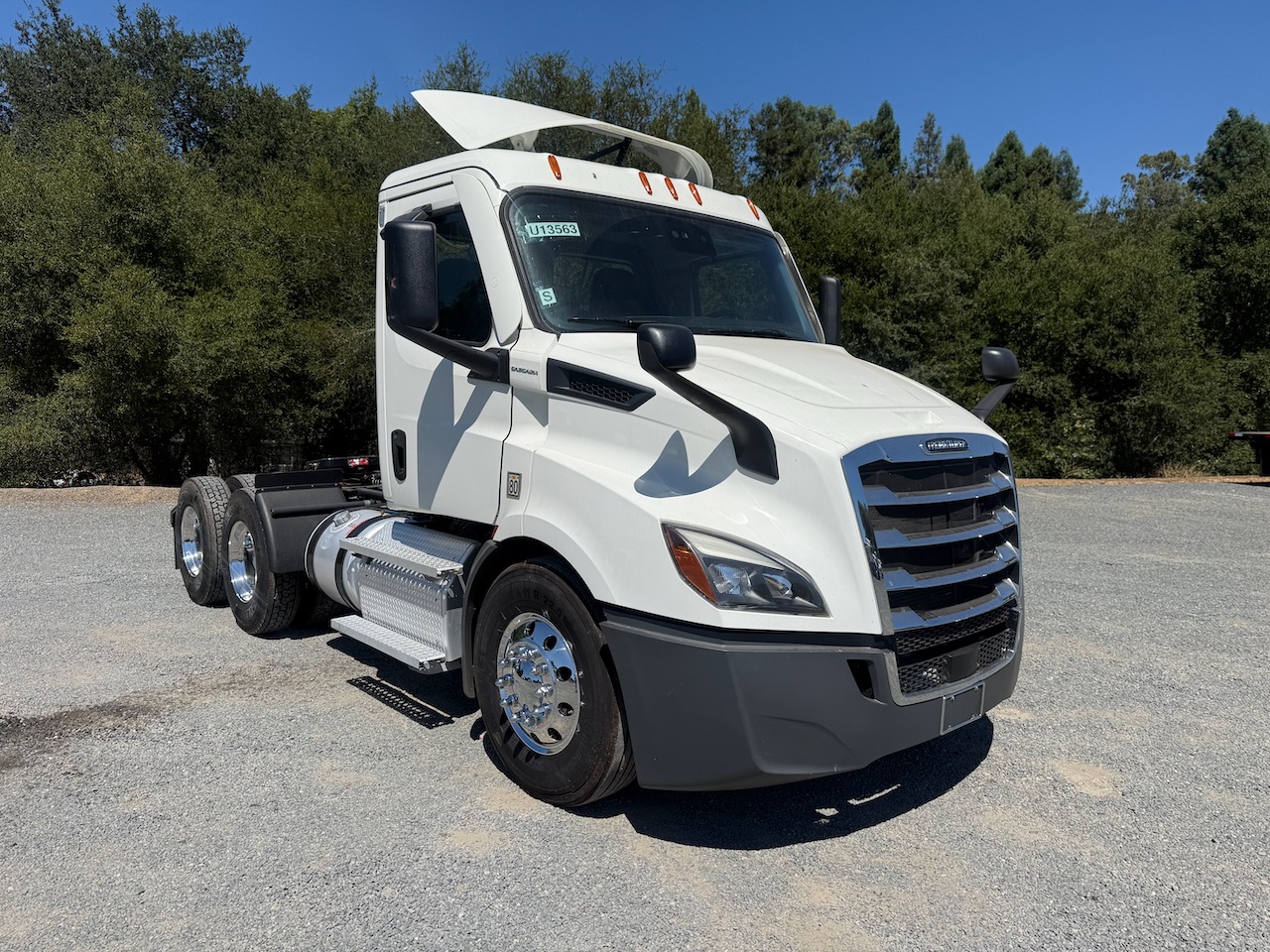
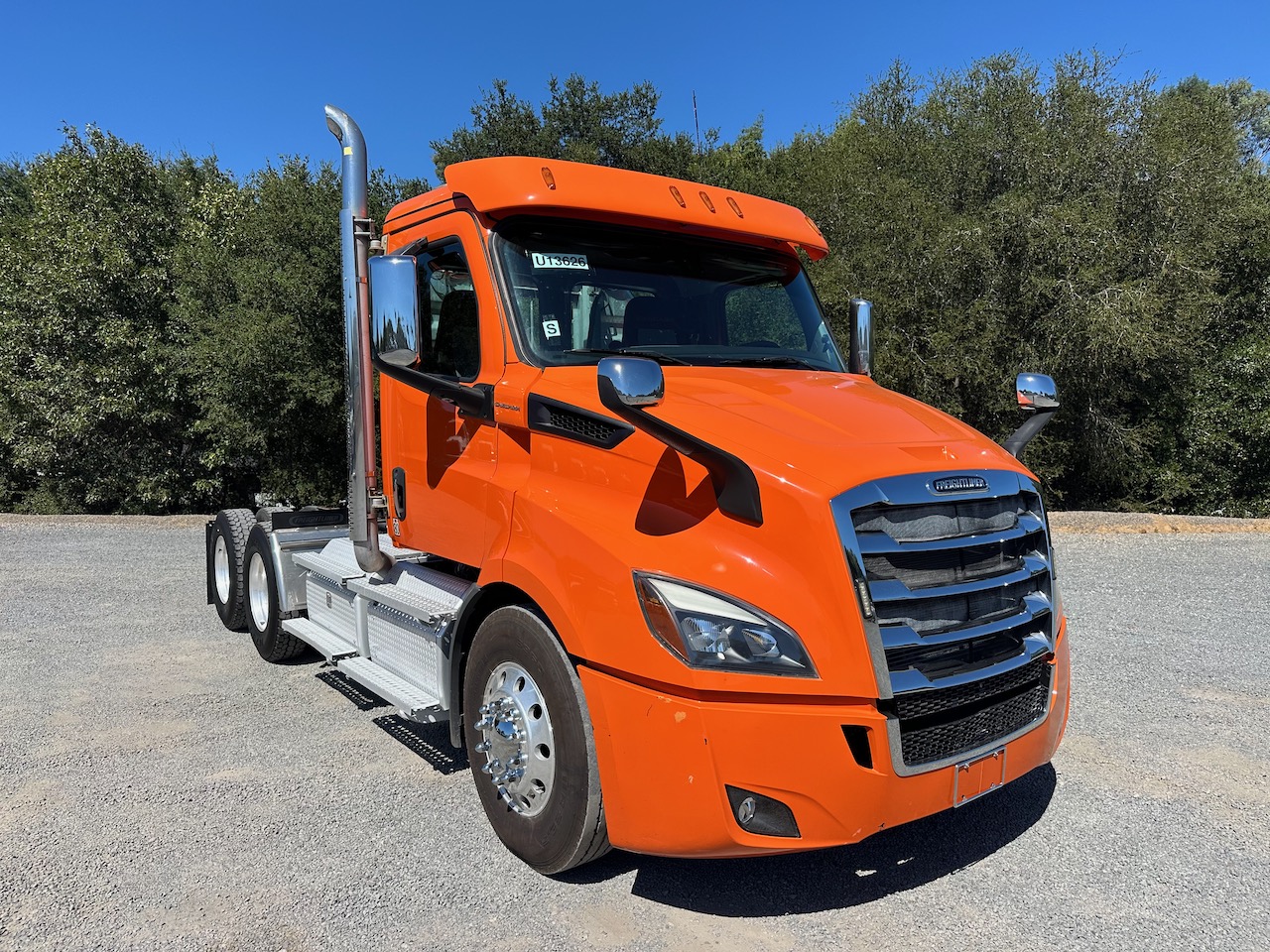
Every Charter truck comes with a third-party inspection report. See all inventory or call 707-669-6202.